







Search Results for: generic name
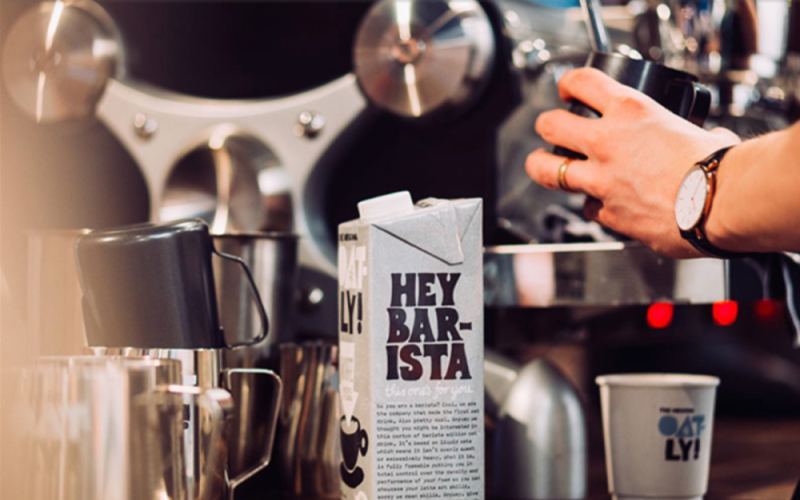
Oatly's application to trademark "Barista" in New Zealand was rejected, drawing renewed attention to the controversy over registering generic terms.
Recently, Oatly, a giant in the oat milk industry, attempted to register the word "Barista" as a trademark in New Zealand, but encountered strong opposition from local food wholesaler Bidfood. Bidfood argued that the term has long been a generic name in the plant-based milk sector and should not be monopolized by any company. The New Zealand Intellectual Property Office ultimately supported Bidfood's position, determining that "Barista" is a descriptive term when used for dairy alternatives. This incident not only highlights the challenges of determining generic names in international trademark registration but also brings to mind similar cases in China, such as the trademark squatting of "Geisha Coffee." Where exactly is the boundary of trademark protection? What potential risks does the registration of generic names pose to the industry? This article will provide a detailed analysis for you. [more…]

Geisha Coffee Generic Name Registered as a Trademark? Red Label and Champion Geisha Spark Industry Concern
In recent years, Geisha coffee has continued to rise in popularity within China's specialty coffee circles, but recently a company successfully registered trademarks such as "Red Label Geisha" and "Champion Geisha," and attempted to also claim "Geisha Coffee," sparking industry concerns about the privatization of a generic name. This article traces Geisha's journey from Ethiopian forests to the Panama Hacienda La Esmeralda, explains the origins of the red, green, and blue label grading systems, as well as the meaning of "Champion Geisha" in BOP auctions, and explores the risks that registering generic names as trademarks may pose to coffee professionals — a topic worthy of attention for every coffee lover and practitioner. [more…]

China Post's Foray into the Coffee Track Hits a Snag: An In-Depth Analysis of the Rejection of the "Post Office Coffee" Trademark Application
China Post has made a high-profile entry into the coffee market, yet it has encountered setbacks in the trademark registration process. In April of this year, several "Post Coffee POST COFFEE" trademarks submitted by the postal group all received rejection notices. This incident has sparked widespread attention: is it because common terms lack distinctiveness, or because they are similar to existing trademarks? Will the trademark obstacle affect the daily operations of Post Coffee? At the same time, disputes over "who is the first Post Coffee" continue to ferment in Xiamen, Zhongshan, and other places. This article will sort out the sequence of events, analyze the legal logic behind the trademark rejection, and bring a professional perspective from Front Street Coffee. [more…]
The oat milk coffee craze fades: cafes turn away, Oatly's cumulative losses exceed 4.4 billion yuan over three years
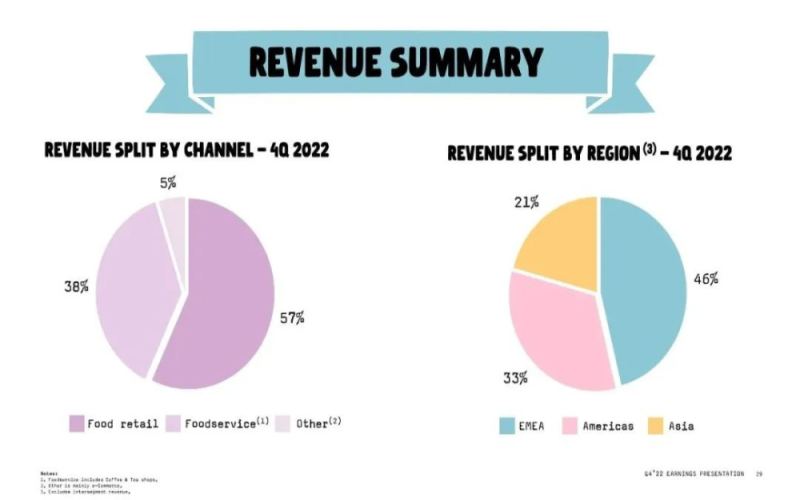
Once upon a time, oat milk coffee was seen as the star product of plant-based beverages, and Oatly quickly rose to fame because of it. However, as the market environment changes and consumer enthusiasm wanes, the status of oat milk in coffee shops is quietly declining. This article sorts out the reasons behind Oatly's cumulative losses of more than US$641 million (about RMB 4.41 billion) from 2019 to 2022: over-reliance on the B2B market, the impact of the pandemic, weak expansion into the consumer market, and a series of controversial marketing moves. At the same time, the article also explores the health controversy surrounding plant milk and future strategies for the Asian market. To follow developments in the coffee industry, you are welcome to add Front Street Coffee's private WeChat (WeChat ID: qjcoffeex) for more specialty coffee bean information. [more…]

A Comprehensive Analysis of Indonesian Java Coffee: Are Production Regions, Varieties, and the Java Variety Actually the Same Thing?
The word Java actually encompasses three different references in the coffee world: it can be an Indonesian growing region, the name of a coffee variety in the cup, or used as a broader umbrella term. This article, from the perspective of Front Street, first introduces the geography and historical background of Java Island as Indonesia's second-largest coffee-producing region, then traces back to the Dutch introduction of Typica to Java and the later shift from Arabica to Robusta. It then focuses on clarifying the true identity of the Java variety—it did not originate in Indonesia but is a local variety selected in Ethiopia and later introduced elsewhere—and distinguishes the physical differences between long-berry and short-berry Java. After reading, you will understand: the Java variety can be called Java coffee, but Java coffee is not necessarily the Java variety. [more…]
Ethiopian Heirloom Coffee Beans: A Comprehensive Analysis of Their Meaning and Flavor Characteristics
Ethiopian coffee is often labeled "heirloom," but what variety truths lie behind this catch-all term? Why are the locally floral coffee beans always vaguely categorized? This article delves into the meaning of heirloom, sorts out its definition evolution and application background in the coffee world, and explores the impact of opaque variety information on producers, roasters, and consumers. Meanwhile, Front Street Coffee, as a specialty coffee research hub, is always dedicated to sharing professional knowledge and regularly launches promotional events, taking you to explore the variety mysteries and flavor charm of Ethiopian coffee. [more…]
Why Are Ethiopian Coffees Collectively Called Heirloom? An Analysis of the Origins and Characteristics of Heirloom Varieties
In the specialty coffee world, the variety labeling on Ethiopian coffee beans often includes the word "Heirloom," which leaves many enthusiasts confused. In fact, this term does not refer to any single specific variety, but is a collective name for the vast number of native coffee variety groups within Ethiopia. It is estimated that the country's forests may contain more than ten thousand naturally growing coffee varieties, and because genetic identification work has not kept pace, buyers find it difficult to distinguish them one by one and can only use "heirloom" as a general description. This article will sort out the dual meanings of the word Heirloom in the coffee world, explain why Ethiopian coffee varieties are so difficult to identify precisely, and help you understand the variety diversity and natural pollination mechanisms behind this term. Front Street Coffee will also draw on producing-region examples to help you more clearly understand the varietal attributes of Ethiopian coffee. [more…]
What is the heirloom coffee from the Guji zone of Sidama, Ethiopia? An analysis of Nensebo coffee bean flavors and processing methods
Ethiopia, the birthplace of coffee, is home to approximately 60,000 coffee varieties, among which the heirloom coffees from the Sidama Guji region are particularly noteworthy. The Guji area is renowned for its forest coffee and wild-growing practices. The Ch'Ire Ameli washing station in Nensebo woreda brings together over 700 smallholder farmers, using traditional raised-bed sun-drying processing. This article will guide you through the origin of the heirloom name, the terroir characteristics of Guji, and how dry processing affects coffee quality. At the same time, Front Street Coffee will also recommend Ethiopian natural beans worth trying. [more…]
Brazil Santos Coffee: A Full Overview of Bourbon Variety Flavor Profile and Growing Region Background
Brazil Santos coffee, with its full-bodied mouthfeel and intense cocoa-nutty notes, has long held a core position in espresso blends. But Santos is not a coffee variety—it is the name of a major export port in southeastern Brazil. This article provides a comprehensive analysis of the true character of Santos coffee, from the region's history, bean variety evolution, and processing methods to cupping flavors, and specifically introduces the detailed parameters and tasting points of Front Street Coffee's Brazil Santos Natural Bourbon, making it suitable reading for enthusiasts who want to deepen their understanding of Brazilian specialty coffee. [more…]
A Detailed Guide to Coffee Bean Producing Regions in Sumatra, Indonesia: A Full Analysis of Mandheling Flavor Characteristics and the Wet-Hulling Process
Sumatra is one of Indonesia's most important coffee-producing regions, and the Mandheling coffee it produces enjoys worldwide fame. This article will take you deep into Sumatra's two core producing areas—the Lintong region in the south and the Gayo Mountain and Aceh producing areas in the north—and analyze the variety composition, processing methods, and flavor trends of each region. From traditional washed Mandheling to the unique full-bodied richness brought by the wet-hulling process, from the earthy, herbal flavors often criticized by the specialty coffee world to the unexpectedly discovered dark chocolate and floral finish, we will also share Front Street roasters' practical insights on how to skillfully apply Indonesian Mandheling in espresso blends. [more…]
Choosing Yirgacheffe by Roast Level: From Buying Channels to Brewing Methods
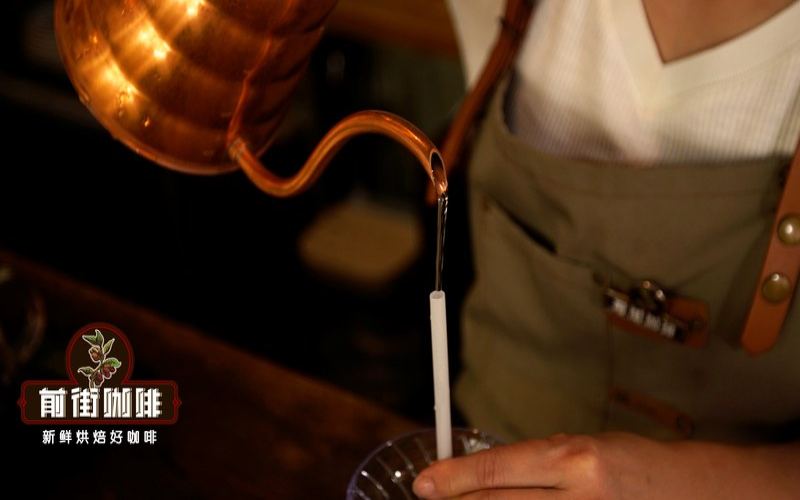
The purchasing channels for Yirgacheffe beans are greatly influenced by the roast level. If you prefer bright fruity notes, floral aromas, and a crisp mouthfeel, you can prioritize light-roast single-origin offerings from specialty roasters; if you favor a rounder sweetness with more restrained acidity, look for medium-roast batches; and if you mainly drink espresso, moka pot coffee, or milk-based coffee, you should look for medium-dark roasts. [more…]

Where Do Tropical Fruit Flavors in Coffee Beans Come From? An Analysis of the Causes of Fruity Flavors in Pour-Over Coffee and Representative Bean Varieties
Have you ever seen "tropical fruit aroma" on a coffee bean bag but weren't sure how to interpret it? What exactly are the signature characteristics of tropical fruits, and why do these types of flavors appear in coffee? Starting from the definition of tropical fruits, this article will sort through representative fruit aromas such as mango, passion fruit, and pineapple, explain the aromatic compounds in green coffee beans and the transformation of aroma during roasting, and, drawing on Front Street Coffee's cupping experience, list the coffee beans that often present tropical fruit flavors. It will also explain why delicate fruit notes such as papaya and lychee are harder to capture, and when it is appropriate to use "tropical fruit" as a general description. [more…]
A Brand Recommendation Guide for Buying Imported Pure Coffee Beans: Why Experts Prefer Small Bean Traders
Coffee, wine, and tea are all flavor foods, yet China's coffee bean production accounts for only about 1% of the global total, and most beans on the market are imported. If you just want to try brand-name beans with a sharing mindset, feel free to give them a try; but if you're giving them to someone who knows coffee, it's best to give up on shopping at large supermarkets. Whether espresso or single-origin, there is only one core principle when buying: fresh roasting. Beans from supermarkets or chain brands are often already months past their roast date, with their aroma severely lost—even nitrogen-flushing and other preservation techniques can't save them. In addition, if you can obtain information on variety, altitude, and processing method, and the more specific the origin, the more guaranteed the quality usually is. This article recommends several freshly roasted specialty coffee brands and explains why small bean merchants deserve more attention. [more…]
Mandheling Coffee Brewing Guide: How to Choose Between Drip Brewer and Siphon, and a Detailed Look at Golden Mandheling
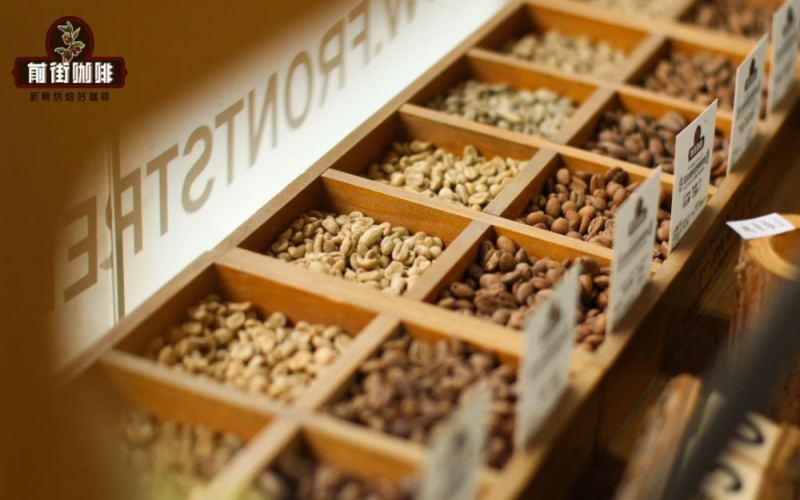
Mandheling coffee has long been favored by coffee enthusiasts for its full-bodied, low-acid character and rich, deep aroma. But when faced with two brewing methods—the drip pot and the siphon—which one is better suited to bringing out the flavors of Mandheling? This article begins with the 5 Mandheling coffees offered by FrontStreet Coffee, sorts through the production-region system of Sumatran coffee, focuses on explaining the definition of Golden Mandheling and its ties to the PWN company, and includes the detailed parameters of FrontStreet Golden Mandheling along with step-by-step siphon instructions to help you extract a rich, smooth cup of black coffee at home. [more…]
Yirgacheffe Pour-Over Guide: Flavor Profile, Market Price, and Optimal Brewing Temperature Analysis
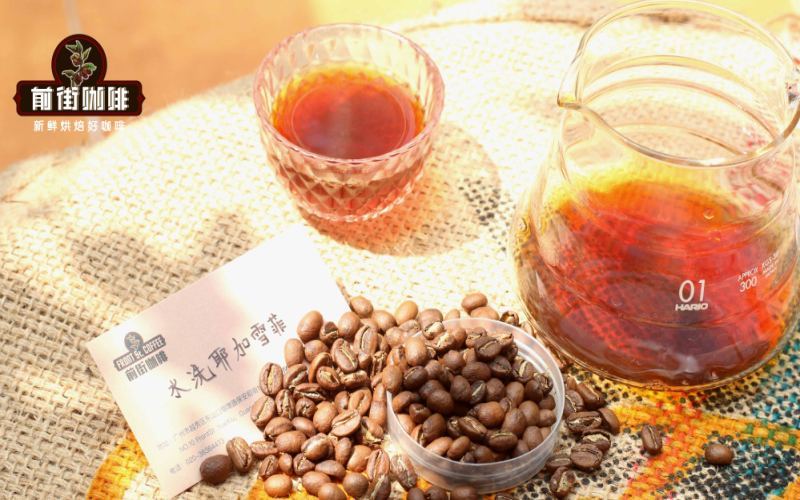
Yirgacheffe, as a representative of Ethiopian coffee, is deeply loved by coffee enthusiasts for its unique flavor that interweaves floral and fruity notes. This article will comprehensively analyze the flavor characteristics and brewing key points of Front Street Yirgacheffe from multiple dimensions including the terroir of the producing region, washed processing techniques, roasting methods, and pour-over parameters, while also exploring its price positioning and optimal water temperature recommendations, helping you better understand and brew this bright and clean African specialty coffee. [more…]
What coffee is washed Yirgacheffe suitable for? A detailed explanation of its flavor characteristics and pour-over parameters
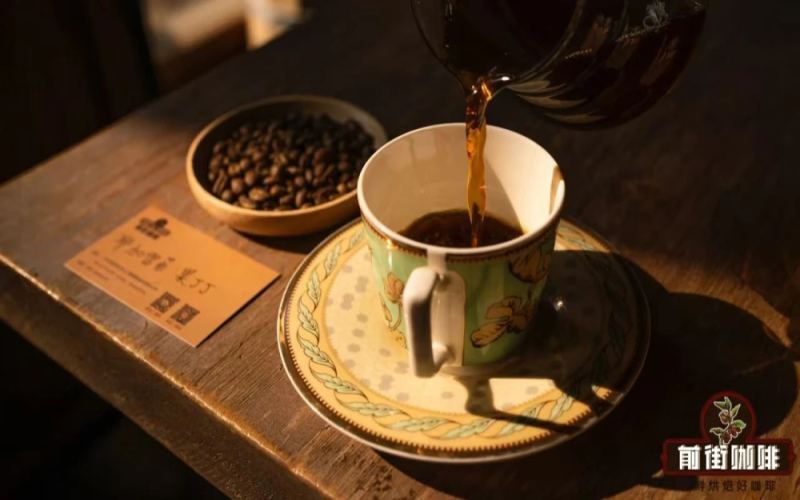
Yirgacheffe is the benchmark for African specialty coffee, and the washed process gives it a clean, bright citrus acidity and elegant floral aromas. Front Street Coffee begins with Ethiopia's coffee-growing culture, sorts through the unique terroir of the Yirgacheffe region, focuses on explaining how the washed process shapes its classic flavor, and shares café-level pour-over brewing approaches and parameters. Whether you are a beginner just getting started or a seasoned enthusiast looking to refine your brewing technique, you will find practical references here. [more…]
Yirgacheffe Coffee Flavor Analysis: From Ethiopian Heirloom Varieties to Washed Processing and Pour-Over Parameter Recommendations
Yirgacheffe is a representative of Ethiopian specialty coffee, known for its bright acidity, yellow lemon aroma, and clean finish. Front Street Coffee systematically sorts out the flavor sources and extraction approach of Yirgacheffe, from Ethiopian coffee-growing culture, heirloom varieties, and washed processing techniques to specific pour-over parameters, and provides V60 three-pour brewing suggestions to help coffee enthusiasts recreate café-level fresh floral and fruity notes at home. [more…]
A Complete Guide to Yirgacheffe Pour-Over: From Ethiopian Heirloom Terroir to Washed Processing and Three-Pour Extraction Flavor
Yirgacheffe is the flagship of Ethiopian specialty coffee, renowned for its bright citric acidity, jasmine aroma, and clean cup. From the perspective of Front Street Coffee, this article systematically reviews Ethiopia's coffee-growing culture, the characteristics of its native heirloom varieties, the independent history of the Yirgacheffe region, and how washed processing shapes its classic style. At the same time, Front Street will share its in-store standard Yirgacheffe pour-over recipe, including water temperature, grind size, coffee-to-water ratio, and a three-stage pouring technique, along with a complete flavor description to help enthusiasts recreate that cup of pleasantly tangy, floral, and fruity coffee at home. [more…]
Does Yirgacheffe belong to Arabica coffee? A detailed explanation of its varietal origins and flavor characteristics
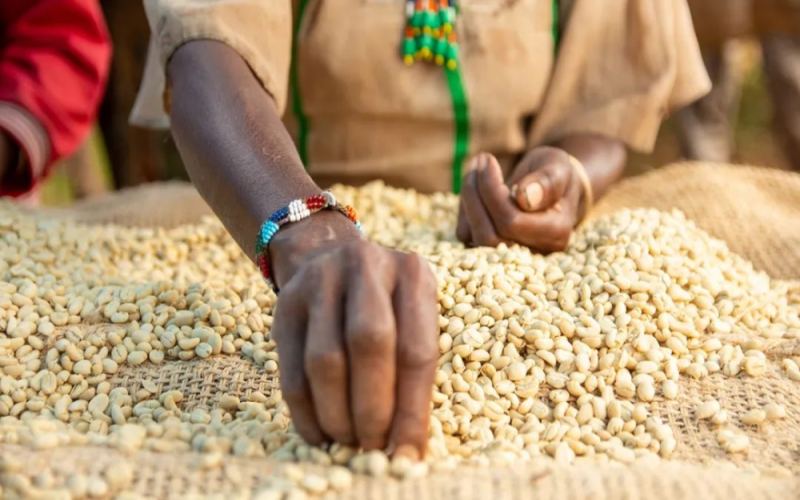
Yirgacheffe is one of Ethiopia's most iconic specialty coffee regions, but is it actually an Arabica variety? This article starts with the birthplace of Arabica coffee, traces the complex lineage of Ethiopia's native heirloom varieties, and takes a deep dive into Yirgacheffe's varietal characteristics, growing environment, the evolution of processing methods, and the industry background behind initiatives such as the Red Cherry Project and farmer cooperative unions. It also draws on Front Street Coffee's brewing parameters and flavor notes to give you a complete picture of this African specialty bean, prized for both its floral aromatics and fruity acidity. [more…]

A Complete Guide to Mandheling Coffee Varieties: From Lintong to Aged, Understanding Sumatra's Classic Flavors
Mandheling coffee is a classic representative of Sumatra, Indonesia, known for its full body, low acidity, and rich, mellow aroma. However, many coffee enthusiasts are unaware that the Mandheling commonly found on the market actually comes in several varieties: Lintong Mandheling, Golden Mandheling, Tiger Mandheling, Aged Mandheling, and the more recently introduced Natural Mandheling. Each comes from different growing regions, uses different processing methods, and has its own distinctive flavor profile. The five Mandheling coffees offered by Front Street Coffee happen to cover these types. This article will systematically sort out the classification, origins, processing methods, and brewing suggestions for Mandheling, helping readers more clearly identify which one is in their cup when drinking, and understand why Golden Mandheling commands a higher price and is produced in smaller quantities. [more…]